Accuracy in language
Catalogue language is a discipline: form before ornament, hedges where knowledge stops, no adjectives doing the work of facts. Catalot writes in that register or it is worthless.
Every sale begins with the same unglamorous task: several hundred objects have to become several hundred paragraphs, each one accurate, each one in the register of a printed catalogue, and all of them before the deadline.
Catalot writes the first draft of every lot notice from your photographs, so that specialists spend their time on the objects and on the sale, not on assembling the same sentences for the thousandth time. The draft is yours to correct, sharpen and sign off — it arrives in English and in French, and it never pretends to be the last word.
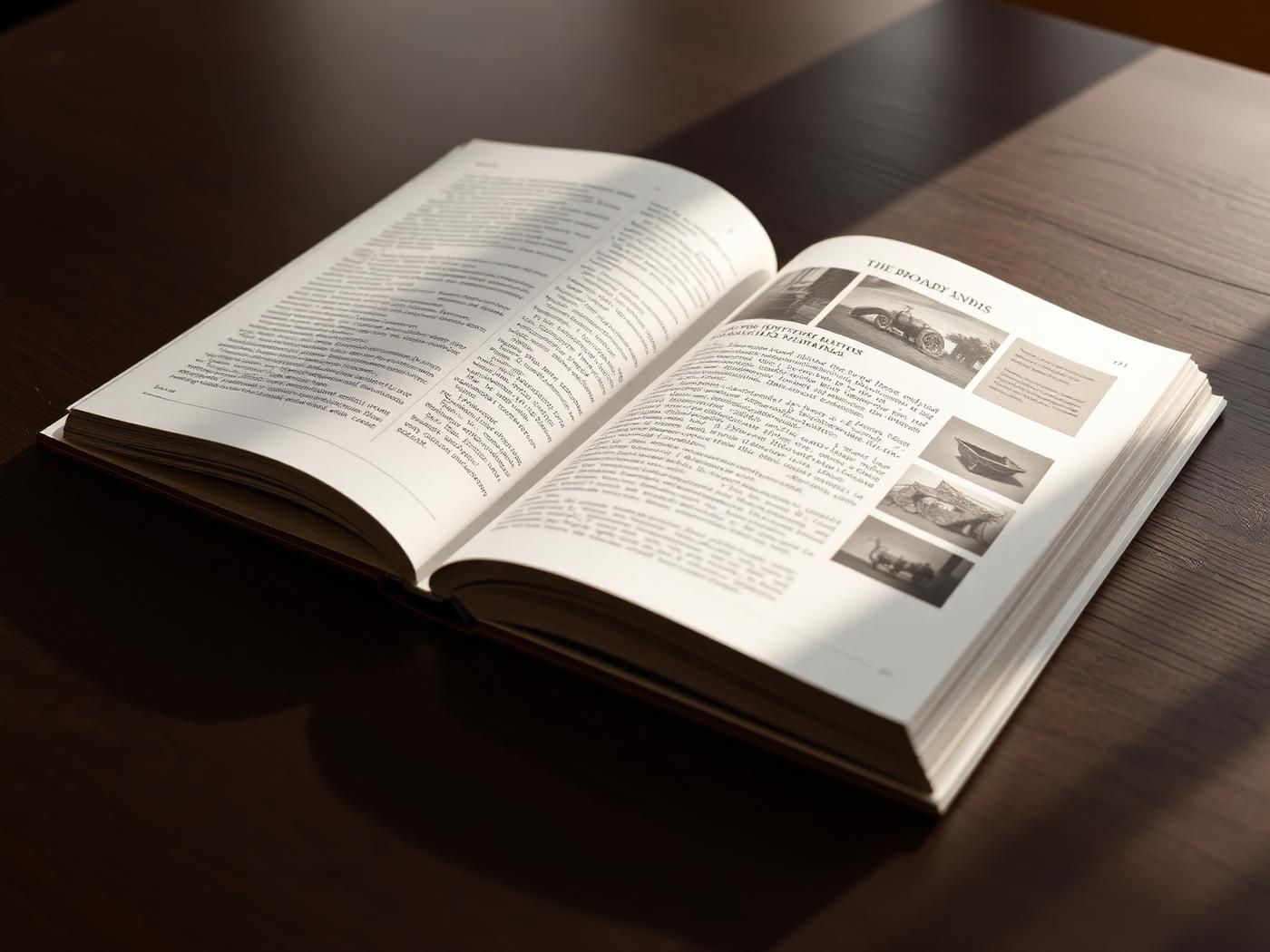
Catalogue language is a discipline: form before ornament, hedges where knowledge stops, no adjectives doing the work of facts. Catalot writes in that register or it is worthless.
Catalot never values an object, never gives an estimate, and never pronounces on authenticity. Attribution and price are the specialist's authority, and we have no intention of borrowing it.
Your images are stored privately in your account, used to write your notices, and deleted when you delete the lot. They are not published, not shared, and not sold.
We built Catalot after watching sales sit half-catalogued while the people best placed to describe the objects were stuck at a keyboard. A first draft is not the hard part of connoisseurship — it is the part that steals the week. So we made the machine write it, badly at first, then well enough that a specialist can correct it in a minute instead of composing it in twenty.
The Catalot team, Paris, France
Catalot EURL, Paris, France, founded 2026.
Catalot sets only the cookies that keep you signed in and remember your language. Nothing is measured, tracked or sold. Until you accept, everything optional stays off.